




[]
1 Step 1
01
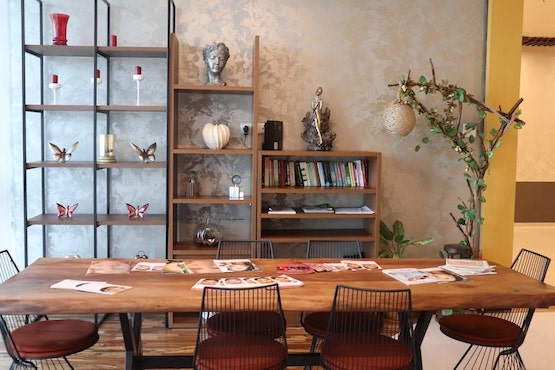
everything including visitors, employees, surgical supplies are sterilized as well as furniture and equipment. As soon as you step into the clinic sterilization is carried out until you leave from the clinic. Sterilization and Hygiene reaches maximum in the operation rooms. Everything used for the patients are practically personel and disposable..
01
Here is an important common point for patients and staff; if there are too many operations in a day, error rate increases. At the same time, patients find themselves in a rush and chaos. We host 10 patients per day and work while just using maximum 75% of our capacity.
01
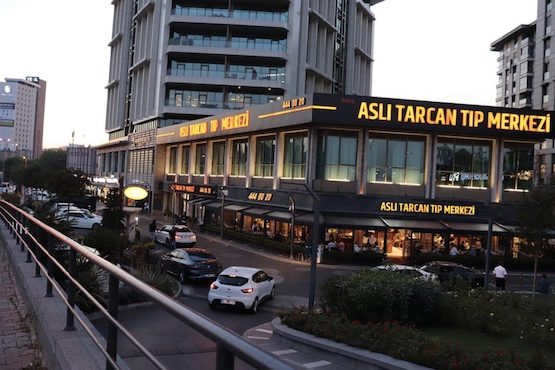
Our service is one package including all transfers in between Airport-clinic-Hotel. The surgical procedure is performed by a highly concentrated and skilled medical team. HairClinic is a great choice for those looking for everything planned and arranged.
01
We have 7 translators specialized in 12 different languages. Our translators will be with you throughout the entire process once you arrive in Turkey. In addition to that You can also contact with our team 7/24 whenever you need help.





Advanced FUE Package
4300
$
All Included
Hair Transplant with FUE technique
6000 Grafts MAX
2 Session Hair Laser Treatment
2 Session PRP
2 Session Ozone Treatment
1 Year Mesothreapy
6 Month Aftercare Kit (Shampoo,Serum,Vitamin)
Neck pillow and Mask
Five-night accommodation at a 5-star hotel
Personal VIP Transfer
Interpreter
Diamond DHI Package
5500
$
All Included
Hair Transplant with DHI technique
MAX Grafts
2 Session Hair Laser treatment
2 Session PRP
2 Session Ozone Treatment
1 Year Mesothreapy
6 Months after care kit (Shampoo,Serum,Vitamin)
Neck pillow and Mask
Six-night accommodation at a 5-star hotel
Personal VIP Transfer
Interpreter
Mega Session Advanced FUE
5500
$
All Included
Hair Transplant and Beard Transplant with FUE technique
2 Session Hair Laser Treatment
2 Session PRP
2 Session Ozone Treatment
1 Year Mesothreapy
6 Month Aftercare Kit (Shampoo,Serum,Vitamin)
Neck pillow and Mask
Six-night accommodation at a 5-star hotel
Personal VIP Transfer
Interpreter
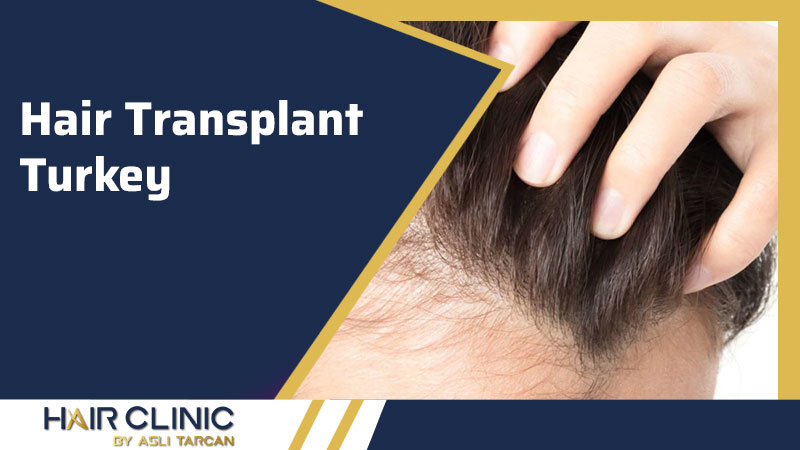
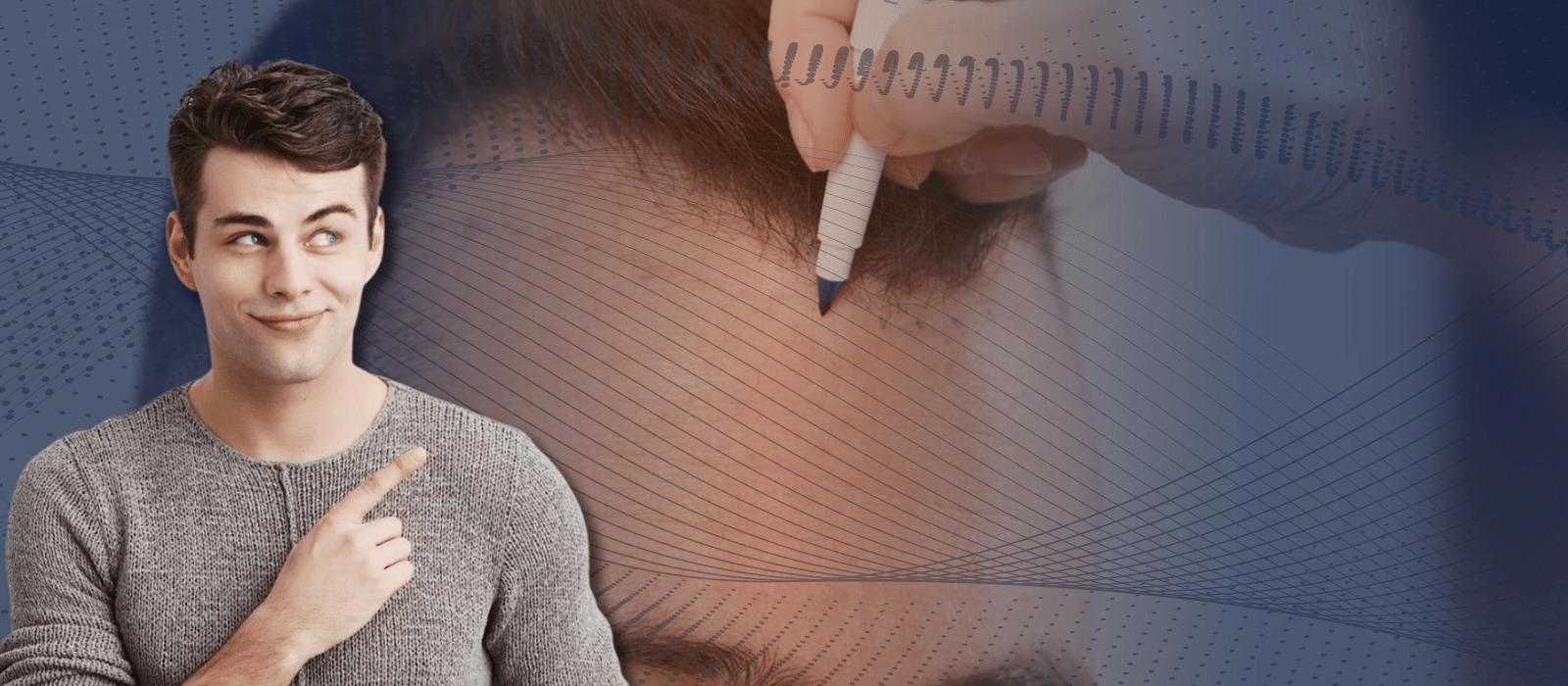
Hair Transplant Turkey Hair loss problem has become a common point for everyone. There are many factors affecting hair loss. Hair loss may occur in genetic factors, vitamin deficiency, old age, and irregular nutrition. Although hair loss seems to be a problem for men, this problem is also observed in women.
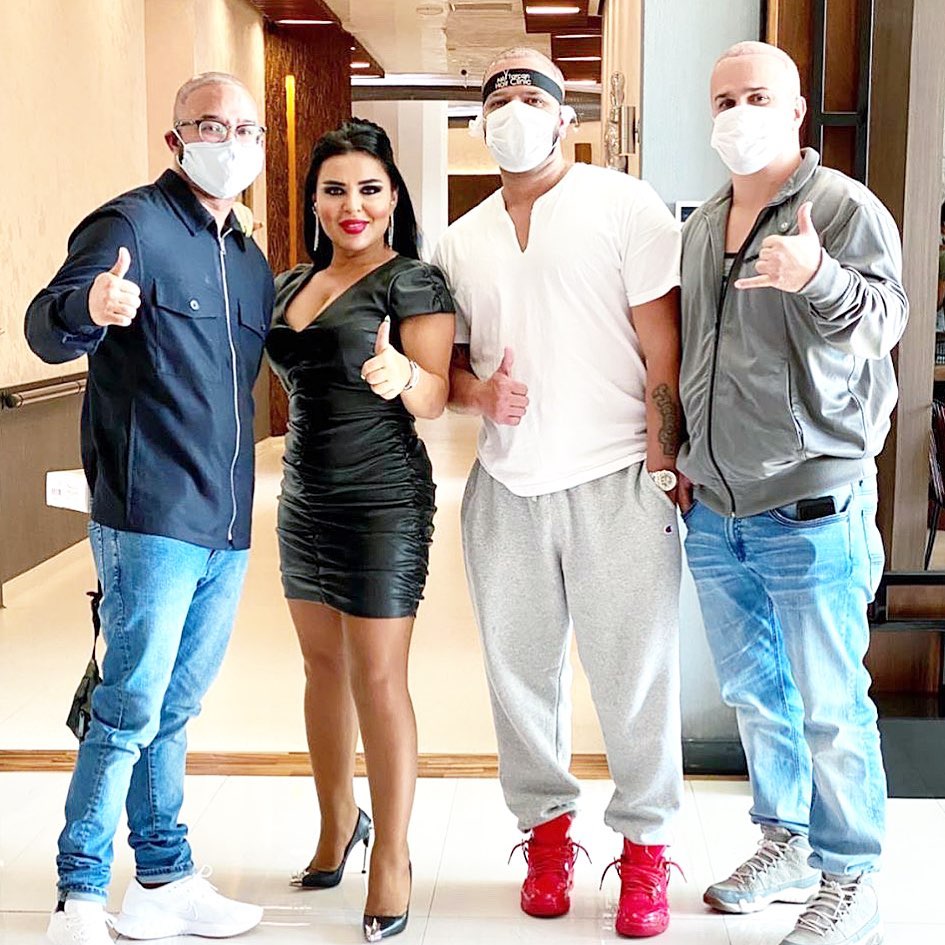
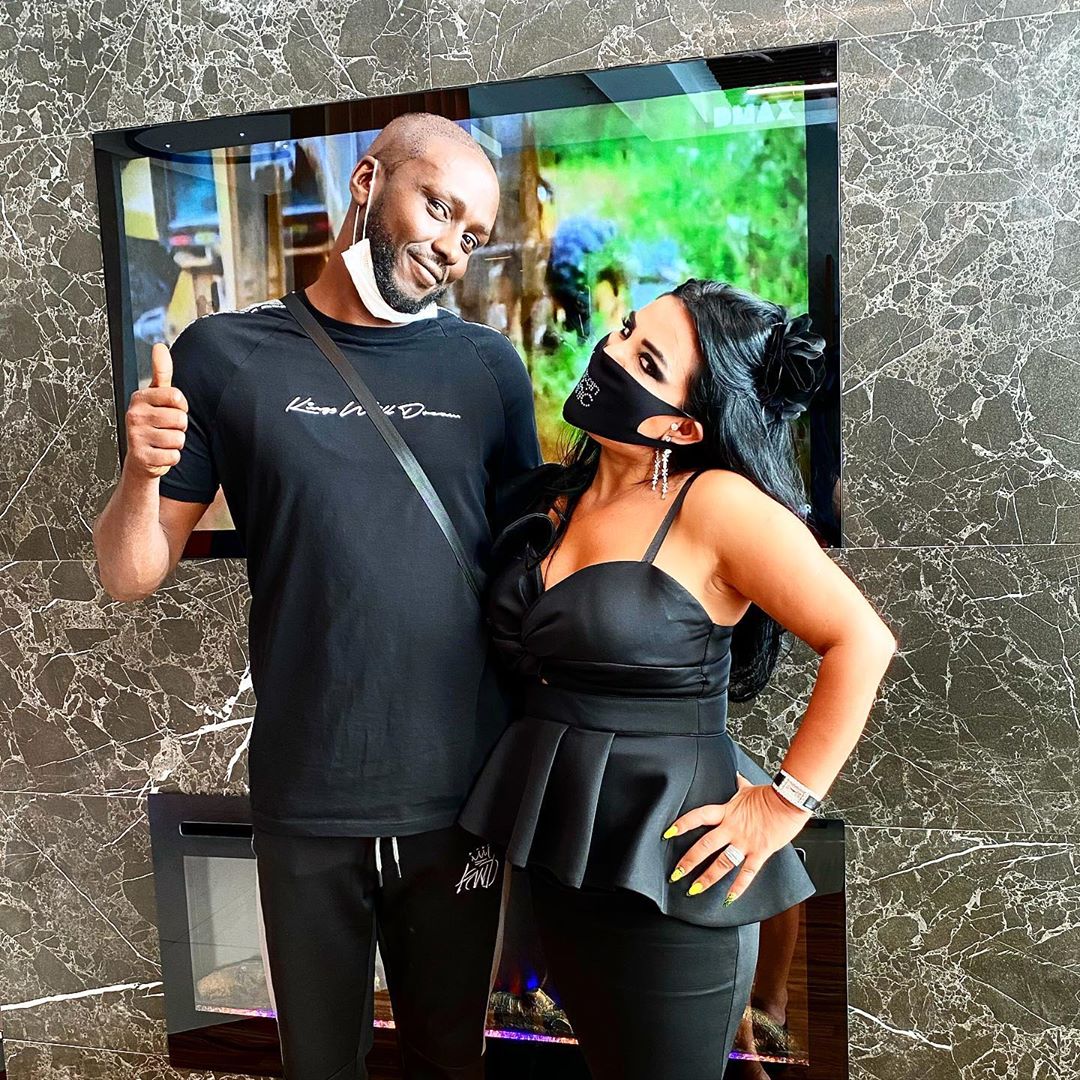
Hair Transplant Turkey Reviews Patients who have a lot of hair transplant Turkey and after the operation process of satisfaction was shared with our clinic. "Hair Transplant of Turkey Reviews" of patients who have undergone hair transplantation procedures under them share their thoughts. As you will understand after reading, the success rate is over 99% in Turkey reinterpretations. Turkey is one country with a professional hair transplant clinic in the area.
Hair Transplant Turkey Istanbul Baldness is a condition that often causes significant self-esteem issues. Although it is a purely aesthetic problem and has no effect on health, alopecia is always a problem. No one wants to lose their hair, first because the individual looks old without hair, and second because it completely changes one's physiognomy. Baldness is a reason why thousands of men are willing to solve their problem definitively every year, and many of them want to do hair transplant Turkey. Today, Istanbul has become the leading center for hair transplantation. Spain and Italy are the leading countries for hair transplantation, and many patients come from Arab countries and Europe.